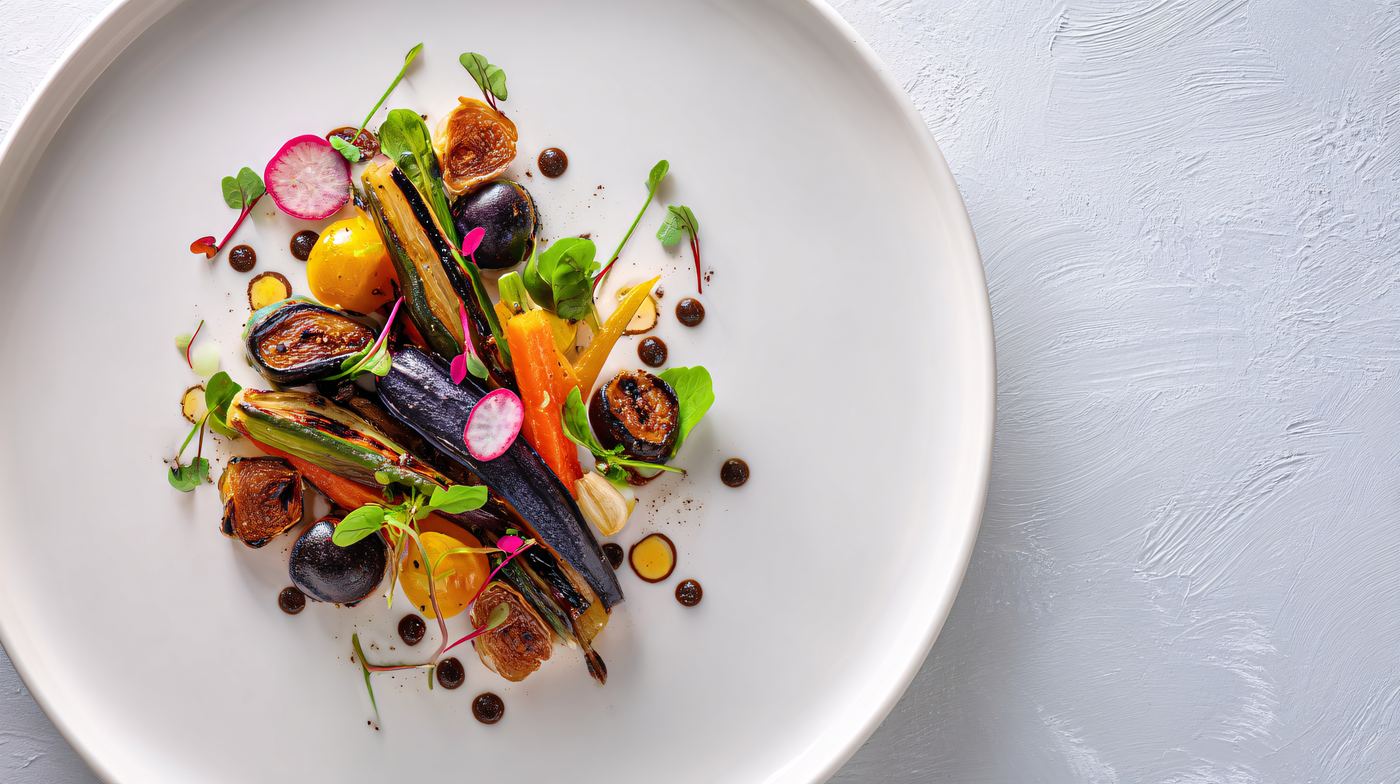
Dinner · 30 min · Amounts not specified
Japchae
Glass noodles if you have them; rice noodles if not. Vegetables stay crisp.
The sheet · 4 bowls · 30 min
mediumWhy tonight. Glass noodles if you have them; rice noodles if not. Vegetables stay crisp.
What it needs
Nothing confirmed on your shelf yet — this list is the whole ask.
- rice noodles
- soy sauce
- sesame oil
- spinach
- carrot
Good if you have them, fine if you do not: beef, scallion.
Method
- Every component is cooked separately and combined at the end. That is not fussiness — it is why each one keeps its texture and color.
- Spinach blanched and squeezed, carrot fried briefly, beef seared, noodles boiled and rinsed.
- Dress the noodles first while warm so they take the soy and sesame on.
- Combined off the heat and tossed with your hands. Served warm or at room temperature, never hot.
Technique coach
What the method is trying to make happen
Sequence, correction, heat and texture, equipment workarounds, scaling, and component reuse are available with this cook sheet.
An educational plan from a curated corpus. Not a nutrition, allergen, or doneness guarantee.
Cook or pour it, then edit the shelf if you emptied a bottle or used the last of something.
The technique underneath this
Going wrong while you cook it? Say what it is doing and the triage will tell you what is happening, the smallest move, and the instinct to resist.
Published minimums for what is in this
These are published minimums, not doneness preferences and not a verdict about any particular piece of food. Ground meat sits above whole cuts of the same animal because grinding moves the surface through the middle — the species is not the reason.
Watch the technique behind this one
Third-party video. Opens in a new tab — nothing is embedded and nothing is fetched from a video platform until you click.
Reviewed video matched to this method, not to the cuisine. Opens in a new tab.
- Roasting vegetablesFor the Best Roasted Vegetables, Start with Steam | Techniquely with Lan LamAmerica's Test KitchenSteam first, then roast. It solves the usual problem of browned outside and raw in the middle.Link checked 2026-09-08
- Salt and seasoning3 Salting Methods for Better-Tasting Meats | Techniquely With Lan LamAmerica's Test KitchenThree salting timings on the same cut, and what the wait actually does to the texture.Link checked 2026-09-08
Why each of these is on the list
What the ingredients are actually doing
- rice noodles
- They keep cooking in whatever they sit in, so they come out of the water early and go into the sauce underdone.
- soy sauce
- Salt with a savory backbone, so it seasons and deepens in one move.
- sesame oil
- A seasoning, not a cooking oil.
- spinach
- Volume that vanishes. A pan-filling pile cooks down to a few spoonfuls, and the water it gives up will dilute whatever it lands in unless you wring it out first.
- carrot
- Sweetness that survives long cooking, which is why it sits under so many braises.
Missing one of them? The substitutions are written against those jobs rather than against a chart, so they say what each replacement costs this dish in particular.
Cooks from the same box
If you bought for this, you can already make these
Shares spinach, sesame oil, soy sauce
Sesame spinach
Blanch, squeeze, dress. Gomae logic. The squeeze is the whole recipe.
Shares spinach, sesame oil, soy sauce
Sigeumchi namul
Seasoned spinach banchan. Squeeze it dry, sesame oil, garlic, soy, seeds. Room temp. It should be a side that eats like a pickle, not a sauté.
Shares rice noodles, sesame oil, soy sauce
Sesame rice noodles
Rinse noodles so they do not glue.
Shares soy sauce, sesame oil, carrot
Lo mein skillet
Noodles already boiled. Hot pan, vegetables, soy. It should catch, not stew.
Next
Cook it, then tell the shelf what you used.
The ranking is only as honest as the shelf behind it. Empty the cream, and everything that leaned on cream should stop being offered.